
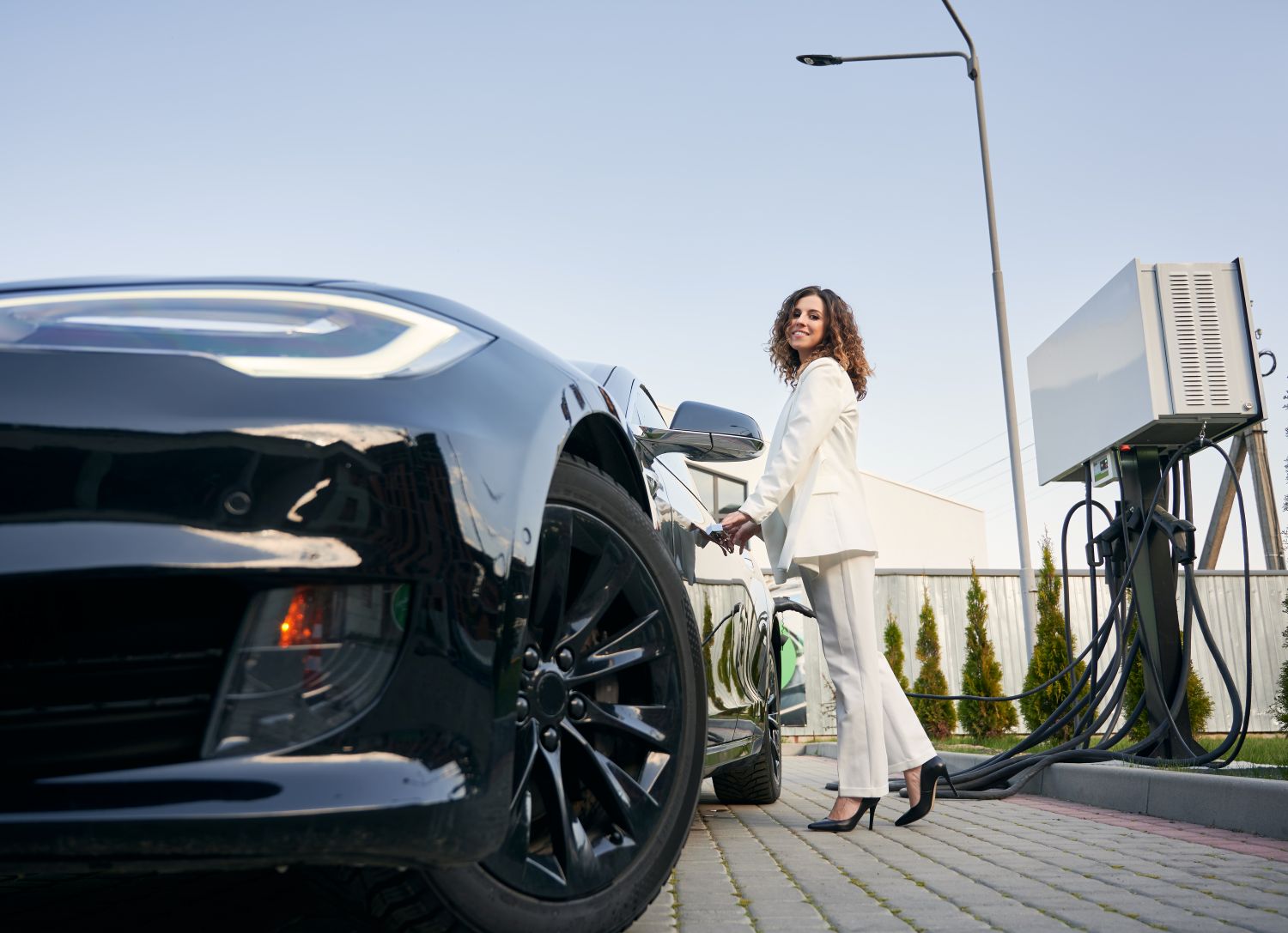
The shift towards electric vehicles (EVs) is not just a trend; it represents a transformative movement poised to reshape our roads and environment. As concerns over climate change and pollution intensify, understanding the advantages of EVs becomes crucial. From their significant environmental benefits to economic perks and cutting-edge technology, the advantages of driving an EV are compelling. Explore how this electric revolution is not only enhancing our driving experience but also paving the way for a sustainable future.
The Rise of Electric Vehicles (EVs)
The electric vehicle (EV) sector has experienced significant growth, with global sales exceeding 6.6 million units in 2021, representing a year-on-year increase of 108%.
Historical Context
The evolution of electric vehicles can be traced back to the 1830s; however, substantial advancements did not occur until the late 20th century, driven by increasing environmental concerns and oil crises. A significant turning point in this evolution occurred in 1996 with the introduction of the GM EV1.
Although the vehicle generated early interest, it encountered numerous challenges, leading to its discontinuation. This event was instrumental in raising consumer awareness regarding electric vehicles.
In 2008, Tesla entered the market with the Roadster, positioning electric vehicles as high-performance alternatives rather than solely eco-friendly options. This strategic move not only transformed public perception, making electric vehicles more desirable, but also catalyzed the implementation of supportive policies and encouraged other manufacturers to invest in electric technology.
Overall, these milestones have had a profound impact on the trajectory of the electric vehicle industry.
Current Trends in EV Adoption
As of 2023, electric vehicles (EVs) account for 10% of all new car sales in the United States, a trend largely driven by consumer interest in sustainability and advancements in battery technology. This growth is significantly influenced by demographic shifts towards younger, environmentally-conscious consumers.
Regions such as California are leading the way, with EV sales reaching 15%, bolstered by robust state incentives and a well-developed charging infrastructure. Additionally, rising fuel prices have made EVs a financially attractive alternative for many consumers.
Research from the International Energy Agency indicates a growing adoption of EVs among households with incomes of $75,000 and above, reflecting a broader trend towards the integration of technology in daily life. Urban areas demonstrate higher adoption rates, underscoring the necessity for accessible charging options.
Environmental Benefits
Electric vehicles are instrumental in mitigating greenhouse gas emissions, with the potential to reduce CO2 output by 1.5 billion tons by the year 2030.
Reduction of Greenhouse Gas Emissions
Transitioning to electric vehicles has the potential to achieve a 40% reduction in greenhouse gas emissions per vehicle over its lifespan in comparison to traditional internal combustion engine vehicles. This substantial reduction is significantly amplified when electric vehicles (EVs) are charged using renewable energy sources, such as solar or wind power.
For example, California’s commitment to achieving 100% clean energy by 2045 enables EV owners to fully realize the environmental benefits associated with their vehicles. A case study conducted in Los Angeles demonstrated that the implementation of stricter emissions standards led to a 13% improvement in air quality from 2010 to 2020, which is directly correlated with the increase in EV adoption.
To maximize the benefits of electric vehicle usage, users are encouraged to take the following concrete steps:
- Install solar panels
- Opt for time-of-use electricity rates
- Leverage incentives that promote the use of renewable energy
Impact on Air Quality
The implementation of electric vehicles (EVs) in urban areas has the potential to significantly reduce emissions of nitrogen oxides and particulate matter, resulting in improved public health outcomes. Cities such as Oslo have experienced substantial changes following the adoption of EVs.
Specifically, nitrogen oxide levels have decreased by 40%, which has contributed to a reduction in respiratory ailments among residents.
The economic benefits from lowered healthcare costs can surpass $1 million annually, attributable to a decrease in hospital visits. Additionally, as the infrastructure for EVs continues to expand, cities are witnessing a reduction in noise pollution, further enhancing the overall quality of life for their inhabitants.
For example, Oslo’s investment in an increased number of charging stations has not only facilitated the use of EVs but has also promoted enhanced public transport options, ultimately fostering a healthier urban environment.
Economic Advantages
The adoption of electric vehicles can result in an average annual savings of approximately $800 in fuel costs for consumers, contributing to substantial long-term financial benefits.
Cost Savings on Fuel
With electricity costs averaging $0.13 per kilowatt-hour (kWh), electric vehicle (EV) owners typically incur annual fuel expenses of approximately $500, in contrast to $1,300 for gasoline-powered vehicles.
To illustrate the potential savings, consider a standard EV that travels 12,000 miles annually and consumes 0.3 kWh per mile. This results in an annual energy requirement of 3,600 kWh, amounting to an estimated cost of $468.
In comparison, a gasoline vehicle that averages 25 miles per gallon and operates at a cost of $3.25 per gallon would require approximately 480 gallons, leading to total fuel expenses of around $1,560.
Therefore, selecting an EV can result in annual savings exceeding $1,000, rendering it not only an environmentally sustainable option but also an economically advantageous choice.
Government Incentives and Tax Benefits
In the United States, purchasers of electric vehicles may qualify for federal tax credits of up to $7,500, effectively reducing the initial costs associated with their acquisition. Additionally, numerous states provide further incentives to diminish overall ownership expenses.
For example, California offers state rebates of up to $2,000, along with benefits such as access to carpool lanes and reduced registration fees. New York similarly provides up to $2,000 in rebates and exemptions on sales tax for electric vehicle purchases. In Colorado, a rebate of $5,000 is available, which allows the total potential incentive to reach as high as $14,500.
These incentives not only contribute to lowering upfront expenses but also have the potential to enhance the resale value of electric vehicles, thereby making them an increasingly attractive choice for consumers.
Technological Innovations
Continuous advancements in battery technology and charging infrastructure are essential for the growth of the electric vehicle (EV) industry.
Currently, batteries possess an average lifespan exceeding 15 years, which significantly contributes to the sustainability and efficiency of EVs.
Battery Technology Advancements
Recent advancements in lithium-ion battery technology have resulted in a 30% increase in energy density, facilitating longer ranges and expedited charging times. One of the most promising innovations is the introduction of solid-state batteries.
Unlike traditional lithium-ion batteries that utilize liquid electrolytes, solid-state designs employ solid electrolytes, significantly enhancing both safety and energy density.
For example, companies such as QuantumScape have reported prototypes that are capable of delivering more than double the energy density compared to current lithium-ion batteries.
Furthermore, advancements in recycling methods, such as the closed-loop systems developed by Redwood Materials, allow for the recovery of critical materials like lithium and cobalt. This not only reduces waste but also lowers the overall cost of battery production.
These breakthroughs not only enhance performance but also contribute to sustainability efforts in the industry.
Charging Infrastructure Development
As of 2023, the United States has over 100,000 public charging stations, and the Biden administration has announced plans to invest $7.5 billion to expand this network. This investment aims to increase the number of fast charging stations, particularly in underserved urban and rural areas.
Fast chargers are essential as they can provide up to 80% charge in approximately 30 minutes, thereby enhancing the convenience of electric vehicle (EV) usage. For example, cities such as Los Angeles are prioritizing the installation of fast chargers along major highways, while initiatives in rural areas are focused on expanding access to charging stations in remote locations to alleviate range anxiety.
Future development will place a strong emphasis on partnerships with private sector entities to ensure that charging stations become more widely available.
Performance and Driving Experience
Electric vehicles provide a remarkable driving experience characterized by instantaneous torque, allowing acceleration from 0 to 60 mph in less than 3 seconds.
Instant Torque and Acceleration
The Tesla Model S Plaid demonstrates remarkable performance, accelerating from 0 to 60 mph in just 1.99 seconds, which highlights the capabilities of modern electric powertrains. This impressive acceleration is primarily attributed to the electric motor’s capacity to deliver instant torque. Unlike combustion engines, which require time to build up revolutions to produce power, electric motors generate maximum torque immediately upon engagement.
For example, the Ford Mustang Mach-E GT achieves a 0 to 60 mph time of 3.8 seconds, thanks to its dual electric motors. Similarly, the Lucid Air Dream Edition records a 0-60 time of 2.5 seconds.
These figures illustrate that electric vehicles (EVs) are not only competitive with traditional sports cars but often surpass them in terms of acceleration performance.
Quieter and Smoother Rides
Electric vehicles operate at significantly lower noise levels compared to traditional combustion engines, thereby reducing noise pollution and enhancing the overall driving experience.
In urban environments, this acoustic advantage results in a notable reduction in ambient noise levels. Research indicates that electric vehicles can decrease street noise by as much as 20 decibels when compared to gasoline-driven vehicles, contributing to a more pleasant atmosphere for both pedestrians and residents.
Moreover, consumer preferences have undergone a substantial transformation, with surveys indicating that 70% of prospective buyers prioritize quieter rides. This trend reflects a growing awareness of the lifestyle advantages associated with reduced noise levels.
As urban areas continue to transition toward cleaner technologies, the demand for quieter electric vehicles is anticipated to increase.
The Future of EVs
Experts anticipate that by the year 2030, more than 30% of all vehicles sold globally will be electric. This projection is supported by ongoing technological advancements and increasing consumer demand for sustainable transportation options.
Predictions for Market Growth
The global electric vehicle (EV) market is projected to reach $800 billion by 2027, reflecting an annual growth rate of approximately 22% as an increasing number of consumers transition towards sustainable transportation.
Key factors driving this growth include advancements in battery technology, which have resulted in longer ranges and reduced charging times, thereby enhancing the appeal of electric vehicles.
Additionally, government policies, such as incentives for electric vehicle purchases and stringent emissions regulations, are further accelerating the adoption of EVs. For example, the European Union has proposed rigorous emissions targets that will compel automakers to expand their electric vehicle offerings.
Simultaneously, consumer preferences are increasingly gravitating towards environmentally friendly options, with research indicating that nearly 70% of consumers are willing to pay a premium for a sustainable vehicle.
This confluence of technological advancements, policy initiatives, and shifting consumer demand creates a favorable environment for substantial market expansion.
Challenges Ahead
Despite its rapid growth, the electric vehicle (EV) industry encounters significant challenges, including battery supply chain issues and the urgent need for widespread charging infrastructure.
One of the principal concerns is the reliance on lithium, cobalt, and nickel for battery production, with projections indicating that shortages may adversely affect production by 2025. For example, a report from the International Energy Agency suggests that lithium demand could exceed supply by 13% if growth remains unchecked.
In response to these challenges, companies are actively exploring alternative materials, such as sodium-ion batteries, and investing in recycling technologies to enhance sustainability. Additionally, the expansion of the charging network is vital; cities like Amsterdam are implementing smart charging solutions that not only improve accessibility but also optimize energy usage during peak hours.