
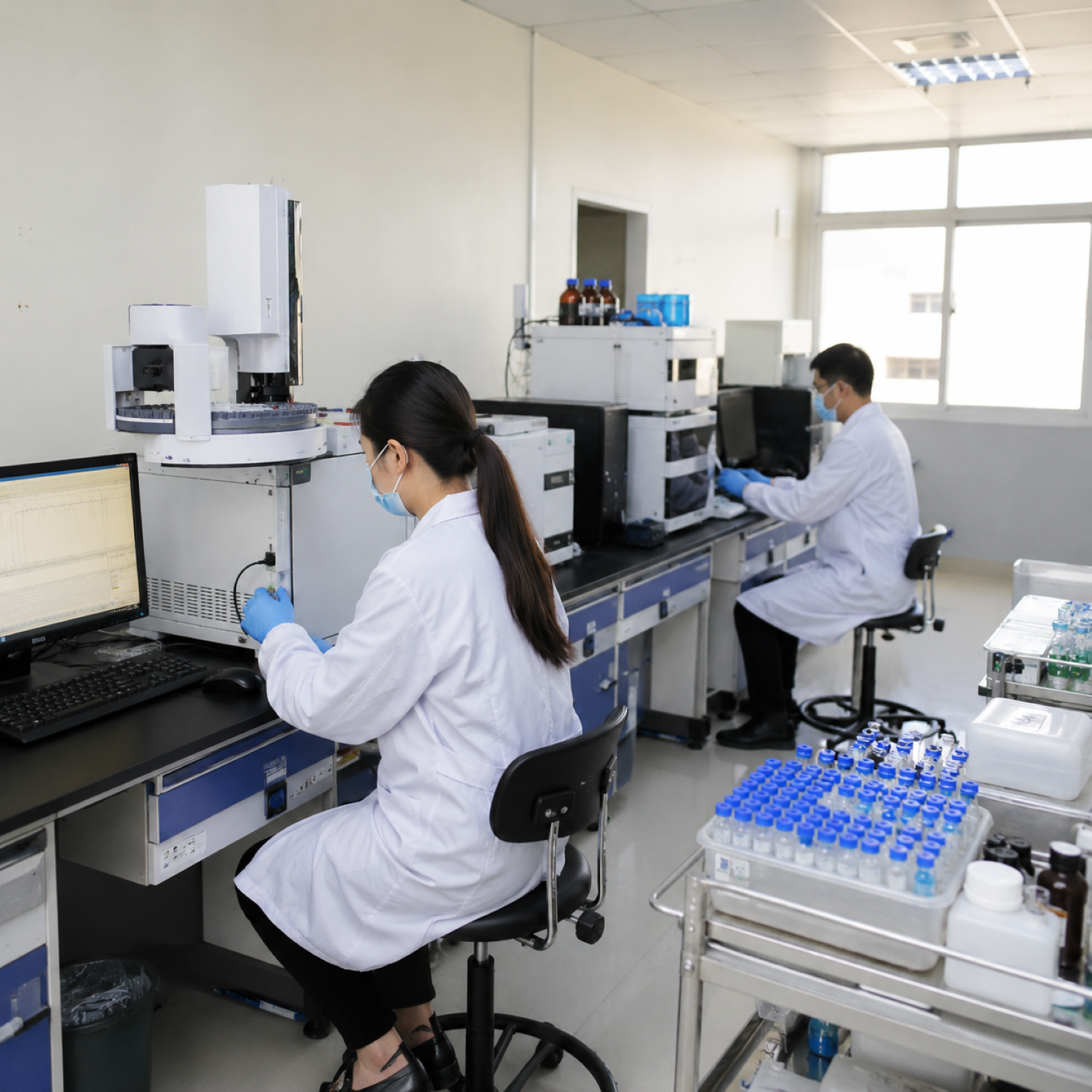
Product improvement often starts with understanding how materials behave under real conditions. For parts made from plastics, rubber, foam, adhesives, coatings, or fabrics, one important issue is the release of Volatile Organic Compounds. A voc test helps manufacturers measure these emissions and use the results to improve product quality.
VOC emissions can affect odor, indoor air quality, customer acceptance, and compliance with industry requirements. This is especially relevant in automotive interiors, electronics, consumer goods, packaging, and industrial materials used in enclosed spaces.
Why VOC Emissions Affect Product Development
A material may look suitable during design review but still release unwanted compounds after production. Heat, storage time, curing conditions, or material combinations can influence VOC levels. Without testing, these problems may only appear after assembly or after the product reaches the customer.
A voc test gives development and quality teams analytical data before making final decisions. It can be used to compare suppliers, evaluate alternative materials, verify process changes, or investigate odor complaints.
What VOC Testing Can Help Improve
VOC testing can support product improvement in several ways. It helps identify whether emissions are linked to raw materials, additives, solvents, adhesives, surface coatings, or production conditions. Once the source is clearer, teams can adjust the formula, improve curing, change suppliers, or revise material selection.
In automotive applications, VOC data is often used to support requirements for cabin materials. Interior trims, seats, carpets, insulation, foams, sealants, and coatings may need to meet strict emission expectations.
VOC Testing and Customer Requirements
Many manufacturers need VOC results because customers or OEMs request them as part of material approval. In this case, the test is not only a quality check but also part of product qualification.
Reliable VOC data can help companies respond to customer concerns with evidence. Instead of explaining odor or emission issues subjectively, teams can use laboratory results to show what was tested, what was detected, and what actions were taken.
Making Better Material Decisions
A voc test is useful during product development, supplier comparison, complaint investigation, and production control. It gives manufacturers a more complete picture of product performance beyond strength, appearance, or dimensions.
For companies that want to reduce odor issues, improve material quality, and meet technical requirements, VOC testing is a practical step toward stronger product control and better long-term reliability.